Lately, there's been a real surge in demand for better and more efficient power solutions, which has really sparked some exciting innovations in the world of magnetic transformers. I came across a report from MarketsandMarkets that predicts the global transformer market could hit around $49.4 billion by 2025. That’s mainly because more and more, we're shifting towards renewable energy sources and smarter grid technologies. As industries embrace greener practices, magnetic transformers are playing a crucial role—they're making energy use more efficient and boosting reliability without a doubt.
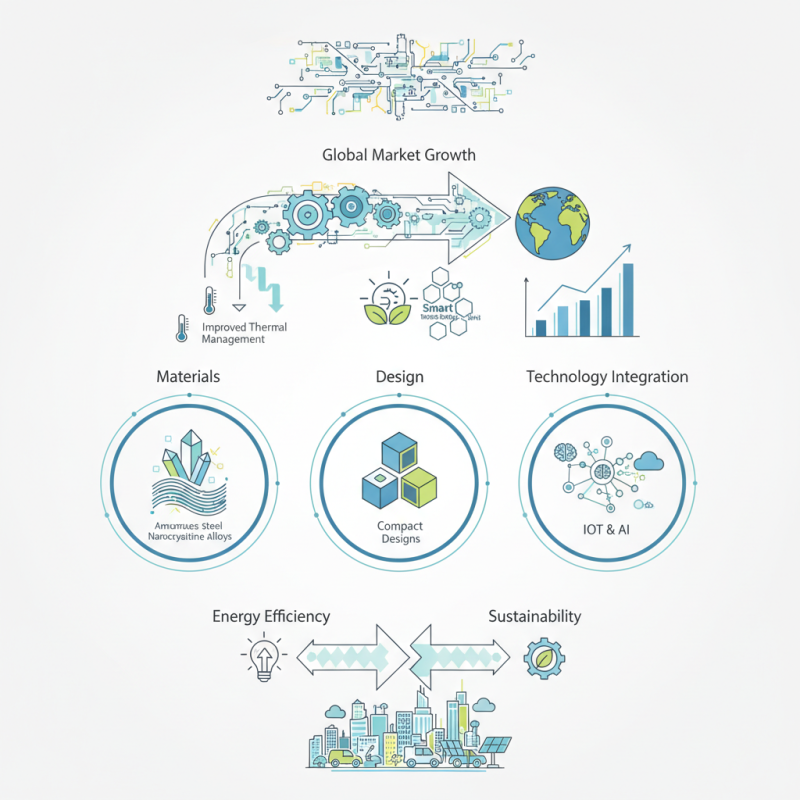
What’s really interesting is how these transformers are evolving—more sophisticated materials, smarter design techniques, and even integrating the latest tech like IoT and AI. For instance, companies are now using high-performance magnetic materials like amorphous steel and nanocrystalline alloys, which help cut down losses and manage heat better. Plus, there’s a lot of focus on making these transformers more compact and modular—perfect for a variety of uses, from renewable energy setups to electric vehicles.
Looking ahead to 2025, it’s clear these trends and innovations aren’t just fixing current issues—they’re also setting the stage for even more progress in energy efficiency and sustainability. With ongoing research and advancements in tech, it’s pretty exciting to think about how much better electrical systems worldwide might become in the near future.
Overview of Magnetics Transformers: Importance and Applications
Magnetics transformers play a crucial role in modern electrical systems, serving as essential components that enhance power distribution and signal integrity. These devices are fundamentally designed to transfer electrical energy between circuits through electromagnetic induction, which allows for the alteration of voltage levels while maintaining the energy's efficiency. Their importance cannot be overstated, as they are utilized in various applications ranging from residential power supplies to industrial machinery, significantly impacting energy management and conversion across numerous sectors.
In recent years, innovations in magnetics transformers have focused on improving energy efficiency, size reduction, and thermal management. The development of advanced materials and designs has led to transformers that can operate at higher frequencies and deliver greater performance in compact formats. Additionally, the integration of digital monitoring technologies within transformers has enhanced their reliability and ease of maintenance, allowing for real-time diagnostics and improved operational efficiency.
As industries continue to seek more sustainable solutions, the role of magnetics transformers in facilitating advanced energy systems will only become more pivotal, aligning with the global shift towards renewable energy sources and smarter grids.
Recent Innovations in Magnetics Transformer Technology
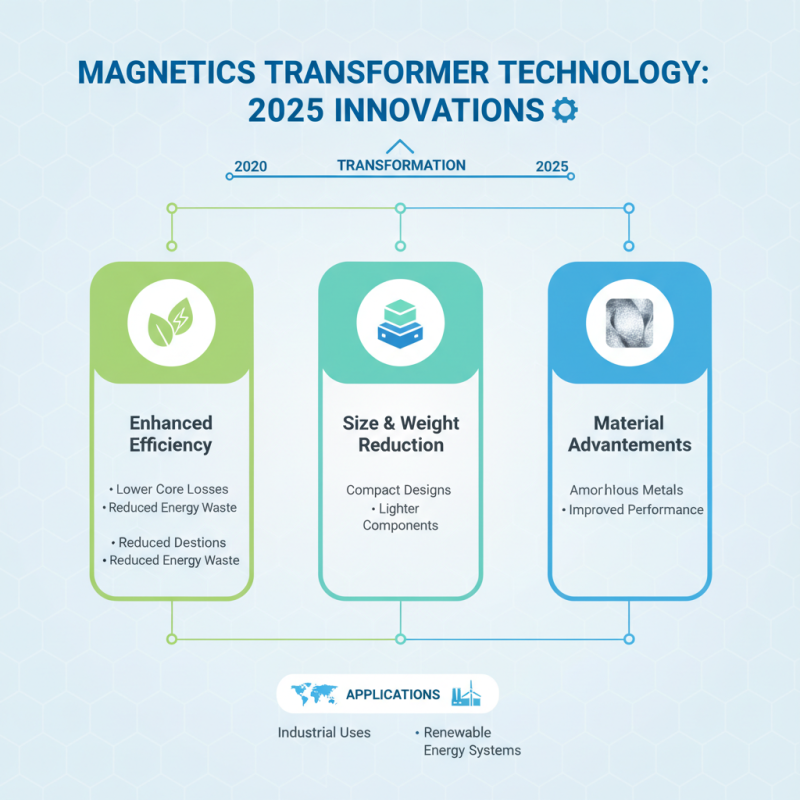
The world of magnetics transformer technology is undergoing remarkable transformations as we approach 2025. Recent innovations are focusing on enhancing efficiency, size reduction, and material advancements. One significant trend involves the use of amorphous metals, which are being employed to create transformers that have lower core losses and improved performance. These materials not only decrease energy waste but also contribute to smaller and lighter transformer designs, making them ideal for a variety of applications, from industrial uses to renewable energy systems.
Moreover, digitalization is making its mark in this field, as smart transformers equipped with IoT technology are being developed. These advanced transformers can monitor performance in real-time, enabling predictive maintenance and greatly reducing downtime. This shift towards a more connected infrastructure allows for smarter energy distribution, enhanced safety protocols, and better integration with renewable energy sources.
**Tips:** When considering new magnetics transformer technology, prioritize those with enhanced energy efficiency to reduce operational costs. Keep an eye on the integration of digitalization, as smart features can provide valuable insights into performance and maintenance needs. Stay informed about emerging materials such as amorphous metals for potential improvements in size and energy efficiency.
Key Trends Driving the Evolution of Transformer Designs
As the demand for more efficient power distribution systems continues to rise, the evolution of transformer designs is being propelled by several key trends. One major trend is the push towards increased energy efficiency, driven by stringent regulations and a global emphasis on sustainability. According to a report by the International Energy Agency (IEA), transformers account for approximately 57% of total electricity losses in the power sector. This has spurred the development of high-efficiency transformers that utilize advanced materials and innovative designs to minimize energy waste and align with international standards.
Another critical trend in transformer innovation is the integration of digital technologies. The implementation of IoT (Internet of Things) and smart sensors within transformer systems has transformed monitoring and maintenance practices. A study published by MarketsandMarkets predicts that the global market for smart transformers is expected to reach $16.2 billion by 2025, with a compound annual growth rate (CAGR) of 14.2%. This digitalization trend allows for real-time data collection and analytics, facilitating predictive maintenance, improved reliability, and enhanced decision-making in grid management. As utilities seek to optimize their operations amidst evolving energy demands, these technological advancements in transformer design are set to play a pivotal role in future energy systems.
Sustainability in Magnetics Transformers: Eco-Friendly Materials
The shift towards sustainability in the manufacturing of magnetic transformers is gaining momentum as industries seek eco-friendly alternatives. Companies are increasingly exploring the use of recycled materials and biodegradable composites to reduce their environmental footprint. By integrating sustainable practices into the design and production processes, manufacturers can minimize waste and energy consumption, aligning their operations with environmental standards and consumer expectations for greener products.
In addition to material innovation, there is a concerted effort to optimize the performance of magnetics transformers while maintaining eco-friendliness. Engineers are exploring advanced technologies that enhance efficiency, thereby reducing energy loss during operation. This not only contributes to energy savings but also prolongs the lifespan of the transformers, further decreasing their overall environmental impact. As a result, the industry is witnessing a gradual transformation where sustainability is not just an add-on but a core principle guiding the development of next-generation magnetics transformers.
Smart Technology Integration in Transformer Systems
The integration of smart technology into transformer systems is revolutionizing the way we manage electricity distribution. As transformers are crucial components in electrical grids, the incorporation of advanced analytics, real-time monitoring, and automated controls is enhancing their efficiency and reliability. Smart transformers are now equipped with sensors that monitor various parameters such as voltage, temperature, and load conditions, allowing for better decision-making and proactive maintenance. This technology enables utilities to respond swiftly to anomalies, reducing downtime and improving overall grid resilience.
Moreover, the advent of the Internet of Things (IoT) has facilitated seamless communication between transformers and centralized control systems. This connectivity not only aids in streamlining operations but also supports predictive maintenance by analyzing data trends over time. Enhanced energy management systems can leverage the information gathered from smart transformers to optimize performance and reduce losses, contributing to more sustainable energy practices. As we move towards a more digitized and interconnected energy landscape, the role of smart technology in transformer systems will undoubtedly be paramount in shaping the future of power distribution.
Challenges and Future Opportunities in Transformer Development
As we look towards 2025, the transformer industry is encountering a myriad of challenges and future opportunities that can shape its trajectory. The global demand for energy-efficient transformers is expected to rise significantly, with a projected market growth from $15.3 billion in 2020 to approximately $22 billion by 2025, as noted in recent industry reports. This growth underscores the urgency for manufacturers to innovate and adopt advanced materials and designs that enhance efficiency and reduce losses, tackling the inefficiencies associated with traditional transformer technologies.
Moreover, the increasing integration of renewable energy sources into power grids presents both a challenge and an opportunity for transformer development. Reportedly, the share of renewables in global electricity generation is projected to exceed 50% by the year 2030. This shift necessitates transformers that can handle varying loads and maintain stability under dynamic conditions. Innovations such as High-Temperature Superconductors (HTS) and smart transformers equipped with IoT capabilities are being pursued to address these complexities. The implementation of digital monitoring and predictive maintenance not only enhances reliability but also extends the lifecycle of transformer assets, allowing for a more sustainable operation in an evolving energy landscape.
2025 Top Magnetics Transformer Innovations and Trends
Industry Leaders: Who's Innovating in Magnetics Transformers?
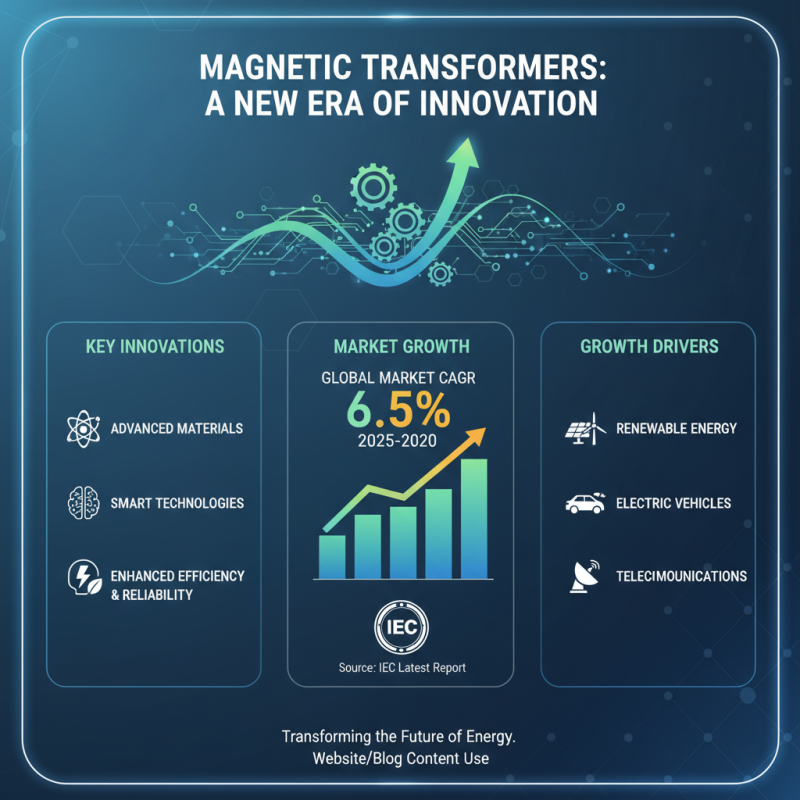
The magnetic transformers industry is witnessing a significant wave of innovation as key players leverage advanced materials and smart technologies to enhance efficiency and reliability. As noted in the latest report from the International Electrotechnical Commission (IEC), the global market for magnetic transformers is projected to grow at a CAGR of 6.5% between 2025 and 2030. This growth is largely driven by the increasing demand for energy-efficient solutions in various sectors, including renewable energy, electric vehicles, and telecommunications.
Industry leaders are focusing on the development of lightweight, compact designs without sacrificing performance. Emerging trends include the use of amorphous materials to minimize energy loss and the integration of artificial intelligence for predictive maintenance and operational efficiency. According to a survey conducted by the Market Research Institute, 74% of industry professionals believe that implementing smart technologies in magnetic transformers will significantly reduce downtime and maintenance costs.
Tips: When considering innovations in magnetic transformers, look for technologies that not only enhance performance but are also sustainable and cost-effective. Staying informed about industry trends will allow you to make more strategic decisions for your projects. Additionally, collaborating with research institutions can provide insights into cutting-edge developments and potential future applications for magnetic transformers.
Optimizing RF Applications with the High-Frequency 50Ω RF Transformer EBG1-63-C012667: Features and Benefits
The EBG1-63-C012667 Rf Transformer stands out in optimizing high-frequency applications by providing reliable performance and versatile functionality. Designed to operate within a temperature range of -40°C to +85°C, it ensures stability and resilience in various environments. Its storage temperature capability, extending from -55°C to +100°C, allows for safekeeping during longer periods without performance degradation. The component is also reflow compatible at 260°C, making it an ideal choice for modern assembly processes.
With a maximum input power of 250mW and a DC current of 30mA, the EBG1-63-C012667 is perfect for applications across a broad spectrum, including two-way communication devices, automotive streaming technologies, and wireless communication systems. Its RoHS compliance and lead-free construction make it environmentally friendly, meeting contemporary industry standards. Moreover, this transformer finds particular usefulness in next-generation technologies such as LTE, Cellular, UMTS, WiFi, and WiMAX, as well as in applications like differential modulators, demodulators, and active mixers, showcasing its versatile adaptability in the rapidly evolving landscape of RF technology.
FAQS
: Recent innovations focus on enhancing efficiency, size reduction, and material advancements, particularly the use of amorphous metals to reduce core losses and improve performance.
Amorphous metals decrease energy waste and contribute to smaller and lighter transformer designs, making them suitable for various applications, including industrial uses and renewable energy systems.
Digitalization allows for the development of smart transformers equipped with IoT technology that monitor performance in real-time, enabling predictive maintenance and reducing downtime.
Smart transformers enhance energy distribution, improve safety protocols, and better integrate with renewable energy sources, thanks to their real-time monitoring capabilities.
The global market for magnetic transformers is expected to grow at a CAGR of 6.5% between 2025 and 2030, driven by increasing demand for energy-efficient solutions across various sectors.
Industry leaders are focusing on lightweight, compact designs that maintain performance while using advanced materials and integrating artificial intelligence for operational efficiency.
Enhanced energy efficiency in magnetics transformers reduces operational costs, making them a more sustainable and cost-effective option for various applications.
Industry professionals can stay informed by monitoring emerging trends, collaborating with research institutions, and focusing on technologies that enhance performance and sustainability.
According to a survey, 74% of industry professionals believe that implementing smart technologies in magnetic transformers will significantly reduce downtime and maintenance costs.
When considering new technologies, prioritize those with enhanced energy efficiency, smart features for performance insights, and emerging materials like amorphous metals for size and energy improvements.
Conclusion
The article "2025 Top Magnetics Transformer Innovations and Trends You Need to Know" provides a comprehensive overview of the critical role magnetics transformers play in various applications, highlighting their importance in modern electrical systems. Recent technological innovations focus on improving efficiency and performance, driven by key trends such as the integration of smart technology and the use of eco-friendly materials.
Sustainability is a significant driving force in the evolution of magnetics transformers, pushing for the adoption of environmentally responsible designs. The article also discusses the challenges faced in transformer development and the future opportunities that lie ahead for innovation. Ultimately, it emphasizes the dynamic landscape of magnetics transformer technology and the industry leaders who are paving the way for advancements in this essential field.

 +86-15916242887
 CONTACT US